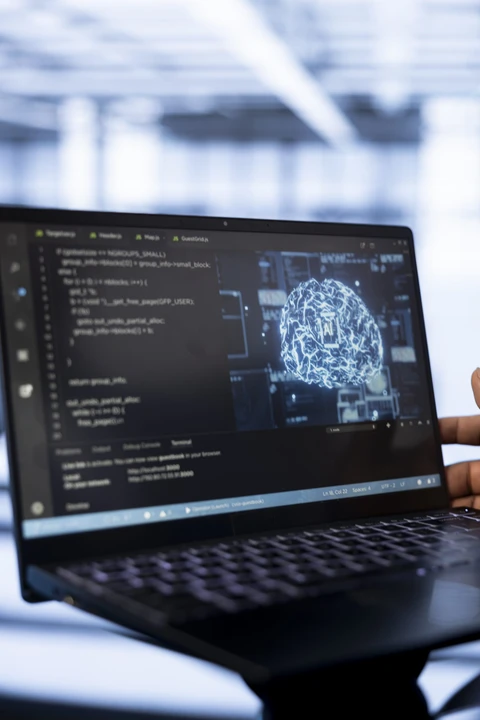
Through the rapidly evolving world of software development and design, two groundbreaking trends are reshaping how products are built: vibe coding and vibe design. These approaches are fueled by artificial intelligence (AI), allowing creators to focus on high-level ideas and user needs while AI takes care of the detailed execution.
What is Vibe Coding?
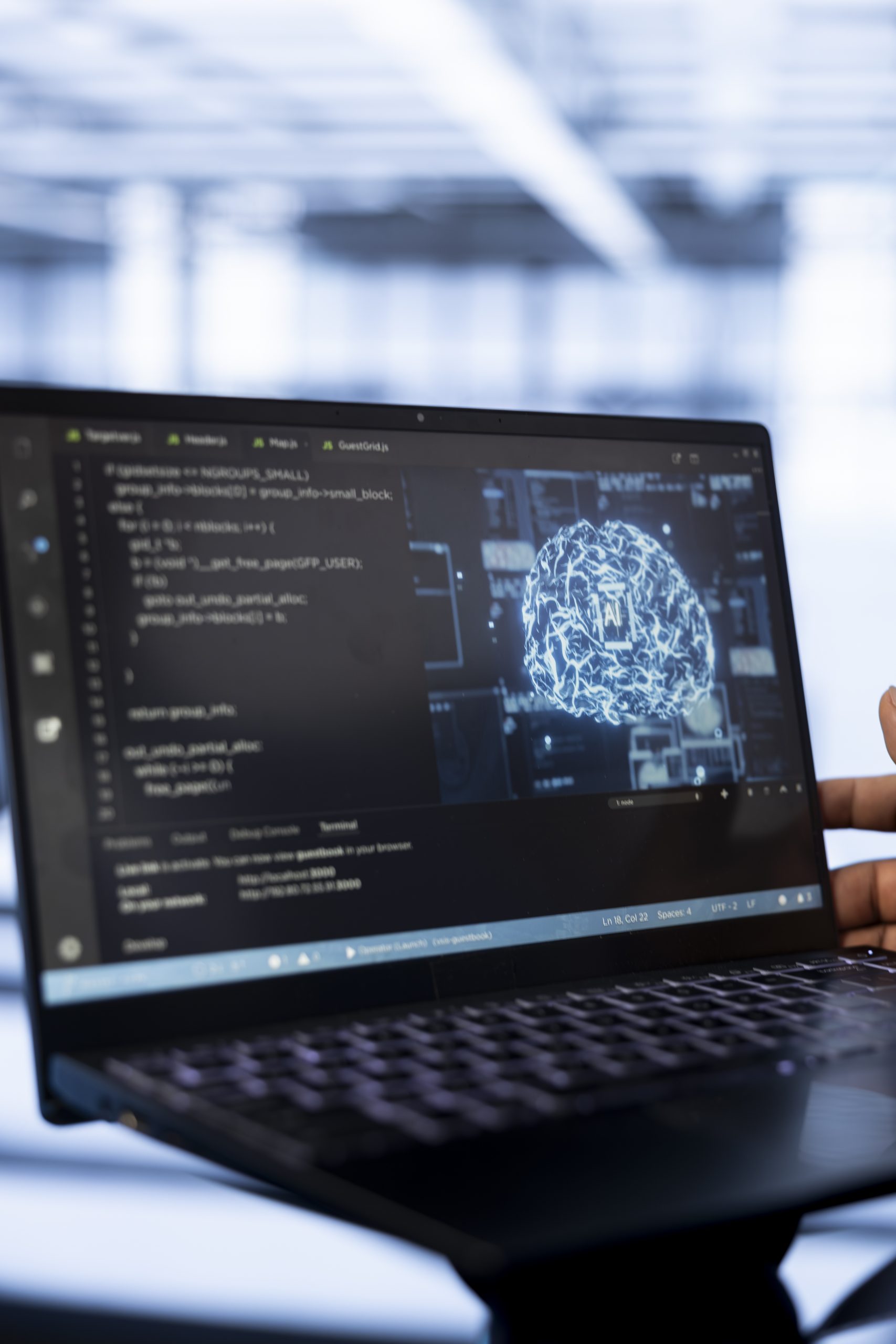
Vibe coding is an AI-assisted approach to software development where developers articulate their goals in natural language, and AI generates the code to bring those goals to life. Rather than writing line after line of code, a vibe coder focuses on describing the intended functionality of the software, while AI handles the technical implementation.
This method marks a departure from traditional coding, where every detail had to be meticulously crafted. Instead, vibe coding allows even non-programmers to create software with minimal technical knowledge. As Andrej Karpathy, who coined the term “vibe coding” in early 2025, explains, it’s not about coding in the traditional sense: “I just see stuff, say stuff, run stuff, and copy-paste stuff, and it mostly works.”
How Does Vibe Coding Transform Product Development?
The beauty of vibe coding is that it accelerates the prototyping phase of product development. Teams can now build functional mock-ups and apps in hours, bypassing long coding backlogs. This gives designers, product managers, and even domain experts who may not have programming skills the ability to create applications that fit their specific needs.
Vibe coding also shifts the focus of development from syntax and low-level details to high-level ideation. Product teams can quickly iterate on ideas, incorporating user feedback into the development process with unparalleled speed. By leveraging AI, developers can spend less time on rote tasks and more time on creative problem-solving.
Enter Vibe Design: A New Era of UX and UI
If vibe coding is about changing the way software is created, vibe design is about transforming how we design the user experience. Traditional digital design revolves around crafting static screens and wireframes. Vibe design, however, is about focusing on the feeling or outcome of a design, with AI helping to execute the details.
Instead of manually designing pixel-perfect screens, vibe designers describe the user experience they want to create, and AI proposes visual and interactive solutions to match the desired “vibe.” Whether it’s a playful interface or a streamlined, formal design, AI handles the technical implementation, allowing designers to quickly iterate on ideas and test their visions with real users.
The Key Components of Vibe Design
- Design by Feel, Not by Pixels
Vibe design shifts the focus from exacting pixel placements to high-level concepts. Designers can communicate what they want a user experience to feel like, and AI suggests design elements such as colors, fonts, and animations that match those feelings.
- Rapid Prototyping and Interactive Flows
Gone are the days when prototypes were static wireframes. With vibe design, prototypes are interactive and can be tested with real data or basic AI-generated code. This enables quicker feedback cycles and a more dynamic design process.
- Blurring the Lines Between Design and Development
Vibe design merges the roles of designer and developer. Designers no longer need to rely solely on developers to bring their ideas to life. They can create functional UI components with AI’s help, enabling a smoother transition from design to development.
- Continuous User Research Powered by AI
Vibe design also accelerates the user research process. AI tools can analyze user feedback quickly, generating actionable insights that inform design improvements. This continuous loop between design and research results in faster iterations and more refined user experiences.
- Empowering Non-Designers
Just as vibe coding democratizes programming, vibe design empowers non-designers to create aesthetically pleasing user interfaces. By simply specifying the desired vibe or experience, anyone can harness AI to generate designs that follow best practices without needing formal design expertise.
The Future of Software Development and UX Design
The marriage of vibe coding and vibe design is leading to a revolution in how software is built and experienced. By reducing the complexity of both coding and design, AI makes it possible for teams to iterate faster, experiment more, and democratize product creation. With these tools, individuals from all backgrounds can contribute to the development process, whether they’re developers, designers, or domain experts.
However, this doesn’t mean that human expertise is no longer valuable. In fact, it places even greater importance on the “what” of product development. While AI handles the execution, it’s up to humans to define the goals, understand user needs, and make the final judgment calls.
In this new era, product teams will work hand-in-hand with AI co-creators, focusing on high-level goals while leaving the tedious work of coding and design to AI. This will lead to faster, more user-centric product development, and will likely result in more personalized and emotionally intelligent applications.
Vibe coding and vibe design are the future of software development and UX design. As AI continues to improve, these tools will only get better, helping us create products that truly resonate with users, faster and more efficiently than ever before.
Let’s embrace the future of software development, where the vibe is the design.
Do you want more insights like this directly into your mailbox? Good news, our Product Design community shares them monthly in our Product Design Newsletter, to which you can subscribe here.