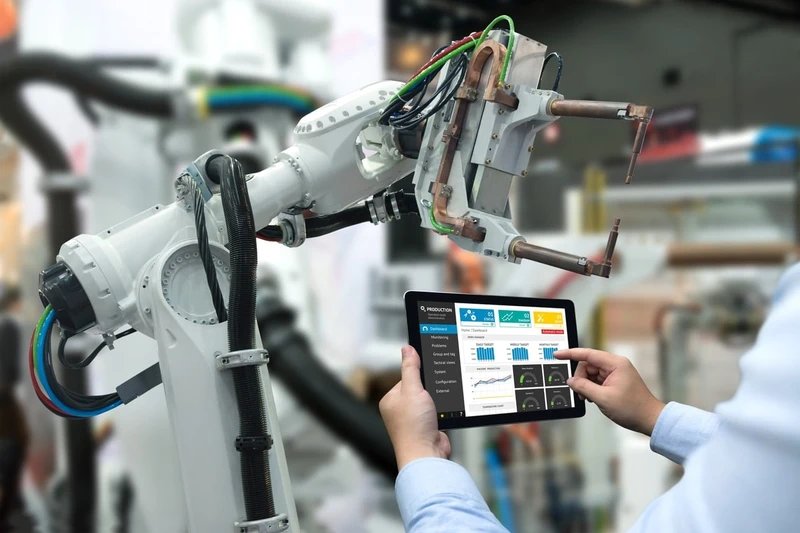
In the intricate world of pharmaceuticals, ensuring batch quality is not just a goal; it’s a necessity. This guide aims to empower pharmaceutical professionals with insights and strategies to achieve automated and standardized batch quality, overcoming the challenges posed by diverse technologies.
The Challenge: Integrating New Packaging Machines
The Scenario: Imagine introducing new vial and syringe packaging machines into your pharmaceutical environment, each equipped with its own PLC and SCADA systems. The challenge arises in seamlessly integrating these machines, enabling batch data communication, electronic record-keeping, and electronic signature traceability.
The Goal: Your objective is clear.
You want to
- streamline operations,
- enhance traceability,
- and meet the high standards of data integrity crucial in the pharmaceutical environment.
Overcoming Technological Hurdles
Diverse Technologies: The hurdle lies in the diversity of technologies. Different machine vendors bring machines with varying PLC and SCADA systems, and your existing applications are designed to accept only a specific mode of communication.
Guiding Steps:
- Structured Integration: Adopt a structured approach, such as the V-Model, for each new machine. This ensures systematic integration without compromising efficiency.
- Comprehensive Design Specifications: Begin with a comprehensive design specification document. Outline your requirements and specifications, capturing your automation vision. Present this document during the procurement phase to set expectations.
- Collaborative Communication: Engage in continuous communication with machine manufacturers. Find the delicate balance between integration and cost, ensuring the final solution aligns with both your needs and budget.
- Testing Environment: Provide a dedicated test environment for manufacturers to test their designs before the machines reach your site. This minimizes surprises and streamlines the final integration.
Results: Tangible Outcomes of Success
Achieving Traceability and Quality:
- Electronic Record and Signature Traceability: Implement automated processes to strengthen compliance and traceability.
- Improved Batch Quality: Enhance consistency and reduce errors by meeting and exceeding industry standards.
- Automated Working Systems: Streamline operations with reduced manual intervention, fostering efficiency.
- Interconnected Systems: Create a network of seamlessly communicating systems, promoting a holistic approach.
- Centrally Stored and Controlled Data: Ensure data integrity through centralized storage and control.
- Adherence to Standards: Align with industry standards, reflecting a commitment to excellence.
Your Path to Success
Our Offer: Embark on your journey towards optimized batch quality with practical steps. Leverage expertise to achieve data exchange using standard communication protocols, enabling seamless communication between different systems at various layers of the automation pyramid.
Additional Notes: Consider the challenges discussed in this guide, including standardizing equipment, centralizing data pools, achieving level 2 integration, and aligning with design standards. Explore solutions that involve interconnecting systems, incorporating Azure, and utilizing data analytics to enhance operational efficiency.
Conclusion
In conclusion, this guide serves as a roadmap for achieving automated and standardized batch quality in the pharmaceutical industry. Apply the lessons learned here to your unique challenges, navigating the complexities of pharmaceutical automation with confidence.