






After establishing more than 25 offshore development centres in Vietnam and transferring over 1,000 engineers into full client ownership through the Build-Operate-Transfer (BOT) model, I have seen one factor consistently separate the most successful engagements from the rest:
The success of an offshore development centre is determined by the decisions made during the first 90 days.
The organisations that ultimately built high-performing, scalable engineering centres treated the first quarter as a strategic investment phase. Those that rushed into scaling often spent years correcting foundational issues that could have been resolved in the beginning.
Why Vietnam Is a Leading Offshore Development Destination
Australia’s digital economy now contributes almost AUD $134 billion annually, according to ACS Digital Pulse 2025. As demand for software engineering talent continues to grow, organisations are increasingly looking beyond domestic markets to build sustainable delivery capacity.
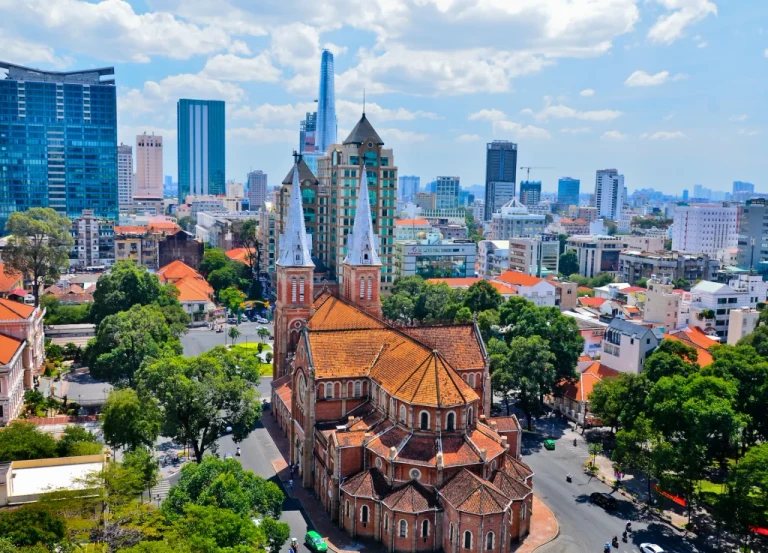
Vietnam has emerged as one of the most attractive destinations in APAC for several reasons:
- Up to 60,000 IT graduates enter the workforce each year
- More than 400 universities and training institutions support the talent pipeline
- Strong time zone alignment with Australia
- A stable, business-friendly environment for long-term investment
- Growing maturity in software engineering, product development, cloud, data, and AI
What Successful Offshore Development Engagements Have in Common
Across every successful BOT engagement I have supported, four early decisions consistently shaped long-term outcomes.
1. Build One Team Correctly Before Scaling
The most successful organisations resist the temptation to spread initial capacity across multiple products or business units.
Instead, they start with a focused development team, establish delivery rhythms, validate communication models, and refine governance before expanding.
This approach allows operational friction, tooling gaps, and process issues to surface early when they are still easy to solve.
2. Assign Dedicated Client Ownership
The offshore team should never operate in isolation.
The strongest engagements consistently include dedicated stakeholders on the client side who provide business context, answer questions quickly, and make timely decisions. This connection between the engineering team and the broader business is often one of the strongest predictors of long-term success.
When this foundation is established early, the results can be significant:
- Full product ownership by the offshore team
- Continuous innovation and platform evolution
- Annual attrition below 10% over multiple years
- Stable delivery performance that exceeds industry benchmarks
The lesson is simple: high-performing offshore teams succeed when they are embedded in the business, not merely assigned work from a backlog.
3. Invest in Face-to-Face Alignment Early
Even in a remote-first world, personal relationships accelerate trust.
Whenever possible, I encourage engineering leaders to spend the first week in Vietnam with their new team.
A few days together can achieve what often takes weeks or months remotely:
- Shared understanding of business objectives
- Alignment on ways of working
- Faster onboarding
- Stronger team cohesion
- Trust between local and offshore stakeholders
The most successful BOT journeys almost always include a strong in-person start.

4. Design Infrastructure for Future Ownership
One of the biggest mistakes organisations make is treating governance, security, and tooling as something to solve later.
Successful BOT centres are designed from day one for eventual client ownership.
That means:
- Using client-controlled repositories
- Implementing client security standards from the beginning
- Establishing governance structures early
- Maintaining clear IP ownership
Ansarada’s Vietnam engineering centre is an excellent example. The team operated entirely within the client’s own environments and governance model from the outset, enabling rapid scaling while maintaining complete control of intellectual property and product direction.
Offshore Development Results: Outcomes Across Three Clients
When these foundations are established early, the outcomes compound over time.
National Australia Bank scaled its Vietnam operation through the BOT model of CBTW to more than 650 engineers before transitioning to full NAB ownership. Today, the organisation has grown into a technology workforce exceeding 2,000 specialists under NAB governance.
Magnolia built a highly stable engineering organisation with industry-leading retention and long-term product ownership. Ansarada successfully expanded its engineering capability while accelerating AI-driven innovation and maintaining complete ownership of its technology assets.
Ansarada successfully expanded its engineering capability while accelerating AI-driven innovation and maintaining complete ownership of its technology assets.
Offshore Development in Vietnam: A Strategic Window for Australian Technology Leaders
Vietnam’s talent market continues to offer Australian organisations a compelling opportunity to build high-performing engineering capability close to home.
However, access to talent alone does not guarantee successful offshore development.
The first 90 days establish the operating model, governance framework, culture, and collaboration patterns that will influence the next years.
In my experience, organisations that recognise this early create engineering centres that become genuine strategic assets. Those that do not often spend years trying to fix decisions made in their first few months.
The opportunity is not simply to build a team. It is to build an organisation that can ultimately thrive under your own ownership.
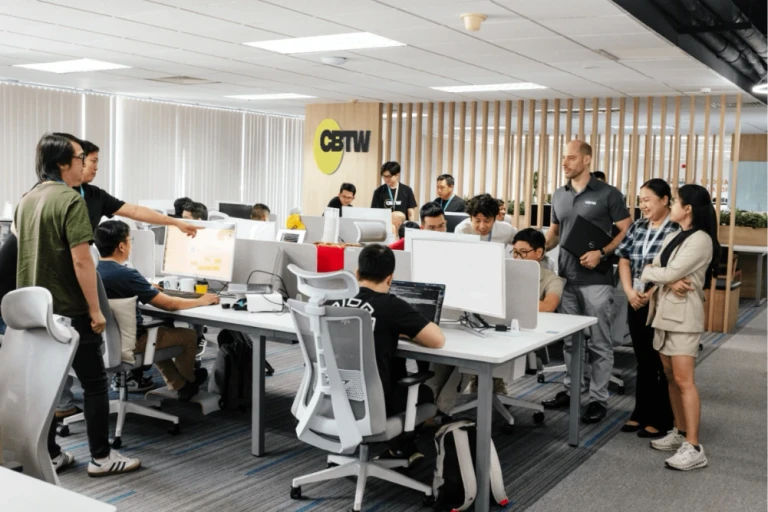
Dirk Arend is BOT Leader Partner APAC at CBTW, a global technology solutions company operating in more than 20 countries with over 2,500 experts worldwide. Based in Vietnam, Dirk brings more than 10 years of technology leadership experience in the market. He has supported organisations across banking, financial services, technology, and digital business in establishing, scaling, and acquiring dedicated engineering centres in Vietnam through CBTW’s Build-Operate-Transfer model.