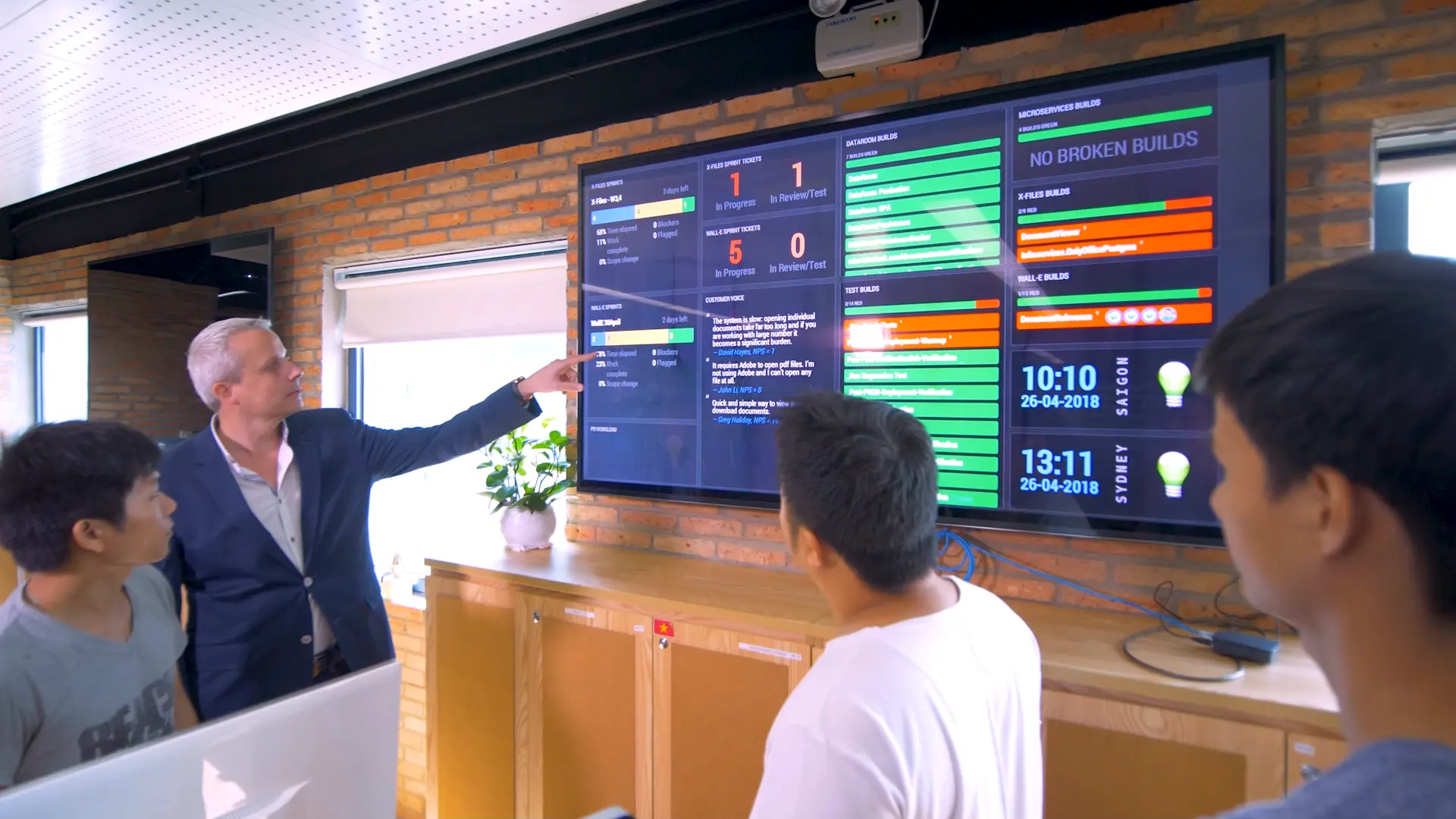





As demand patterns shift, businesses are increasingly reviewing how their offshore engineering centre is built, governed, and scaled. According to Deloitte Access Economics’ June 2026 Employment Forecasts, annual employment growth in Australia slowed to 0.9 per cent in the year to April 2026, down from an average of 1.9 per cent over the previous three years. Conditions like these tend to sharpen how businesses think about their engineering delivery footprint, and every engagement model, vendor-managed or owned, gets re-examined more closely when planning becomes more disciplined.
A vendor-managed delivery model is built for flexibility, and that flexibility is genuinely valuable when a business wants delivery capacity without taking on long-term infrastructure or governance responsibility. A Build-Operate-Transfer centre is built for a different objective: continuity of the legal, technical, and governance structure supporting the engineering capability, regardless of how headcount moves in response to demand. What differs between these two models is what stays in place underneath that movement, and that difference matters most to businesses planning to hold and grow an engineering capability over the long term.
Where the legal, technical, and governance structure sits
In a vendor-managed delivery model, the legal entity, governance structure, and infrastructure sit with the vendor by design, which is exactly what gives the client flexibility to scale the engagement without carrying that overhead. Ansarada’s engagement with CBTW illustrates the Build-Operate-Transfer model: because the centre operated entirely within Ansarada’s own environments and governance from the outset, the eventual transfer required no IP migration at all. The infrastructure did not need to move, because it already belonged to Ansarada. That is the specific mechanism separating a vendor-managed delivery model from a Build-Operate-Transfer centre: whether the legal entity, governance structure, and technical infrastructure sit with the client or the vendor, a choice that should be driven by how long a business plans to run the capability, not by which model is inherently better.
An analysis published by Blender Solutions, citing estimates from SHRM and Gallup, places the fully loaded cost of replacing a specialised technical employee at between 100 and 200 per cent of that employee’s annual salary once recruiting, onboarding, and lost productivity during ramp-up are counted. In a vendor-managed model built around flexibility, that cost is a known and accepted part of how the engagement works. In a Build-Operate-Transfer centre, the same cost applies to headcount, but the legal entity, governance, and delivery infrastructure those hires join do not need to be recreated, which is the specific trade-off ownership is designed around.
How an Offshore Engineering Centre Scales Without Rebuilding Infrastructure
National Australia Bank’s engineering relationship, delivered through CBTW’s Build-Operate-Transfer model, shows what building on an existing, client-owned operating structure makes possible. The centre grew from a small initial team to more than 650 engineers before ownership transferred fully to NAB. Under NAB’s own governance, the centre has since scaled to more than 2,000 specialists. That later growth added directly onto legal structure, governance, and infrastructure that already belonged to NAB, rather than requiring any of it to be re-established first.
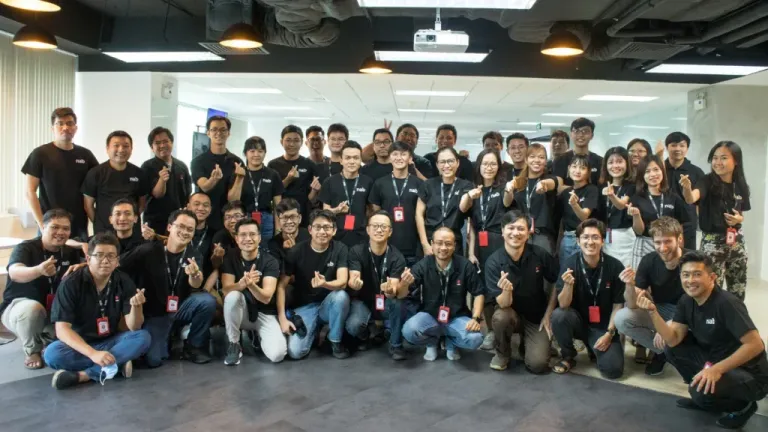
A related but distinct benefit shows up in how long people stay. CBTW’s own delivery data shows attrition on its retained engineering team for MessageMedia has stayed below 5 per cent over three years, against an industry average more than four times higher. This isn’t a claim about one model outperforming the other through a downturn specifically, it’s a separate value driver: a stable structure tends to retain people longer, and the longer a team stays together, the more institutional knowledge accumulates within the same delivery environment.
Ownership decides what remains in place to scale from
“Vendor-managed delivery models and Build-Operate-Transfer centres solve for different things, and both have a genuine place depending on what a business needs,” said Dirk Arend, BOT Leader Partner APAC at CBTW. “If the goal is flexibility without long-term infrastructure responsibility, a vendor-managed model does that well. If the goal is building a capability the business will hold and grow for years, a Build-Operate-Transfer structure means the legal entity, governance, and delivery infrastructure stay in place no matter how headcount moves, and that is the difference worth planning for early.”
What a Build-Operate-Transfer structure changes is not whether a team’s size responds to demand. It is how much has to be rebuilt before that response translates back into working delivery capacity.For businesses planning to hold an offshore engineering centre over the long term, that is the trade-off worth weighing before choosing how the engagement is structured.